
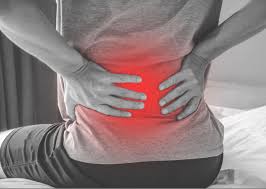
Manual handling injuries affect thousands of workers across the UK each year, making them one of the leading causes of workplace accidents. These injuries happen when people lift, carry, push, pull, or move objects incorrectly at work. Back injuries, strains, sprains, and repetitive strain injuries are the most common types of manual handling injuries that can sideline workers for weeks or months.
Workers in warehouses, hospitals, construction sites, and offices all face risks from manual handling tasks. Heavy lifting, awkward positions, and repetitive movements put stress on muscles, joints, and bones. When this stress becomes too much, injuries happen.
The good news is that most manual handling injuries can be prevented with proper training and workplace changes. Understanding the risks and learning safe techniques helps protect workers and keeps businesses running smoothly.
- 40% of all workplace injuries reported each year are work-related musculoskeletal disorders.
- 300,000 people in the UK experience back pain annually from workplace manual handling accidents.
- 23kg is the weight above which loads pose an obvious risk for most workers.
- One-third of all UK workplace accidents are musculoskeletal injuries targeted by MHOR.
Key takeaways
- Manual handling injuries are amongst the most common workplace accidents but are largely preventable with proper techniques.
- Employers must assess risks, provide training, and reduce hazardous manual handling tasks wherever possible.
- Back injuries and musculoskeletal disorders represent the majority of manual handling incidents across UK workplaces.
Understanding manual handling injuries
Manual handling injuries affect hundreds of thousands of workers annually in the UK, causing both immediate harm and long-term health problems. These work-related musculoskeletal disorders stem from common workplace activities like lifting, carrying, and moving objects.
Definition of a manual handling injury
A manual handling injury occurs when workers suffer harm whilst transporting or supporting loads through bodily force. The Health and Safety Executive defines manual handling as any activity involving lifting, carrying, lowering, pushing, pulling, or moving of objects by hand.
These injuries develop through two main mechanisms. Acute injuries happen suddenly during a single incident, such as lifting a heavy box incorrectly. Chronic injuries develop gradually over time through repeated strain on the body.
Manual handling injuries primarily affect the musculoskeletal system. This includes muscles, bones, joints, tendons, and ligaments throughout the body. The injuries can range from minor strains to severe conditions requiring surgery.
Work-related musculoskeletal disorders (MSDs) represent the most common category of occupational health problems. They account for approximately 40% of all workplace injuries reported to authorities each year.
Common types of manual handling injuries
Back injuries represent the most frequent manual handling problem. Around 300,000 people in the UK experience back pain annually from workplace manual handling accidents. These injuries affect the spine, muscles, and supporting structures.
Hand and wrist injuries occur frequently during gripping and lifting tasks. Workers suffer from cuts, bruises, strains, and repetitive strain injuries. Poor handholds and sharp edges increase the risk significantly.
Foot injuries happen when workers lose their footing or drop heavy objects. Crushing, bruising, and fractures are common outcomes. Inadequate footwear compounds these risks substantially.
| Injury type | Affected body part | Common causes |
|---|---|---|
| Back injuries | Spine, muscles | Heavy lifting, poor technique |
| Hand injuries | Fingers, palms, wrists | Sharp edges, poor grip |
| Foot injuries | Feet, toes, ankles | Dropped objects, poor footing |
| Hernias | Abdominal muscles | Repeated heavy lifting |
Hernias develop when stomach muscles strain repeatedly from heavy lifting. Older workers face higher risks of developing this condition.
Repetitive strain injuries (RSI) affect muscles, tendons, and nerves through overuse. Symptoms include burning sensations, tingling, stiffness, and reduced mobility in affected joints.
Impacts on workplace health
Manual handling injuries create significant costs for both workers and employers. Injured workers face pain, reduced mobility, and potential long-term disability. Many struggle with chronic conditions that affect their quality of life permanently.
Time off work represents a major consequence of these injuries. Back injuries can cause temporary incapacity lasting weeks or months. Hand injuries often prevent workers from performing essential tasks for extended periods.
Productivity losses affect entire workplaces when experienced staff cannot work. Teams must cover additional responsibilities whilst injured colleagues recover. Training replacement workers adds further costs and delays.
The financial burden extends beyond immediate medical costs. Workers may require ongoing physiotherapy, medication, and specialist treatment. Some never return to their previous level of physical capability.
Workplace morale suffers when injuries occur frequently. Staff become anxious about their own safety and may resist certain tasks. High injury rates can damage company reputation and affect recruitment efforts.
Since the COVID-19 pandemic, manual handling injuries have stopped declining and begun increasing again. This trend highlights the urgent need for better prevention measures across all industries.
Primary causes of manual handling injuries
Manual handling injuries stem from specific workplace hazards and unsafe practices that put workers at risk. Poor lifting techniques, repetitive tasks, hazardous loads, and environmental factors combine to create dangerous situations that lead to strains, sprains, and other serious injuries.
Hazardous manual handling
Workers face increased injury risk when handling loads that exceed safe weight limits or have awkward shapes. Heavy items strain muscles and joints beyond their normal capacity.
Loads without proper handholds force workers to grip objects in unnatural positions. This puts excessive stress on fingers, wrists, and forearms.
Common hazardous load characteristics:
- Weight exceeding 23kg for most workers
- Bulky or oddly shaped items
- Objects with sharp edges or hot surfaces
- Loads that shift or move during transport
Poor workplace design creates additional hazards. Narrow corridors, uneven surfaces, and inadequate lighting make safe manual handling nearly impossible.
Environmental factors like extreme temperatures affect grip strength and muscle flexibility. Cold conditions reduce dexterity whilst heat causes fatigue more quickly.
Poor manual handling practices
Incorrect lifting techniques cause the majority of manual handling injuries. Workers who bend their backs instead of their knees put enormous pressure on their spine.
Twisting whilst lifting multiplies injury risk significantly. The combination of load weight and rotational force damages back muscles and vertebrae.
Dangerous lifting practices include:
- Lifting with a bent back
- Twisting the torso whilst carrying loads
- Jerky or sudden movements
- Lifting above shoulder height
- Working too quickly without proper preparation
Inadequate training leaves workers unprepared for safe manual handling. Many employees never learn proper lifting techniques or risk assessment methods.
Team lifting without coordination creates chaos. When workers lift together without clear communication, they often work against each other and increase injury risk.
Repetitive movements and strain
Repetitive strain injuries develop when workers perform the same manual handling tasks repeatedly without adequate rest. Muscles, tendons, and nerves become overworked and damaged.
Manufacturing and warehouse environments commonly cause these injuries. Workers lift, carry, and move items continuously throughout their shifts.
Body parts most affected by repetitive strain:
- Shoulders and upper arms
- Elbows and forearms
- Wrists and hands
- Lower back
- Neck and upper spine
Early symptoms include aching, burning sensations, and stiffness. Workers may experience tingling, numbness, or reduced grip strength.
Without intervention, repetitive strain injuries worsen over time. Advanced cases can cause permanent disability and chronic pain that affects daily life.
Job rotation helps reduce repetitive strain risk. Varying tasks gives overused muscle groups time to recover between activities.
Trips and falls during handling
Manual handling incidents often involve trips and falls that cause serious injuries. Workers carrying loads have reduced visibility and cannot use their arms for balance.
Cluttered walkways create tripping hazards that become dangerous when workers carry heavy items. Even small obstacles can cause devastating falls.
Common trip and fall causes:
- Cables and equipment in walkways
- Spilled liquids on floors
- Uneven or damaged surfaces
- Poor lighting conditions
- Boxes or materials left in corridors
Falls whilst carrying loads often result in multiple injuries. Workers may damage their backs from the fall and sustain cuts or fractures from dropped items.
Dropped loads can injure the handler’s feet or other nearby workers. Heavy items can cause crushing injuries, broken bones, or severe bruising.
Good housekeeping prevents most trip and fall incidents. Regular cleaning, proper storage, and clear walkways eliminate common hazards that cause these accidents.
High-risk tasks and work environments
Certain workplaces and tasks create higher risks for manual handling injuries due to heavy loads, awkward positions, and time pressures. Construction sites, healthcare facilities, warehouses, and retail environments present the greatest dangers for workers.
Common manual handling tasks
Lifting operations pose the highest risk when workers lift items from floor level or above shoulder height. Heavy boxes, equipment, and materials frequently cause back injuries when proper techniques aren’t followed.
Team lifting requires coordination between multiple workers. Poor communication during team lifts often leads to uneven weight distribution. One worker may bear more load than intended, causing strain injuries.
Repetitive handling tasks create cumulative stress on muscles and joints. Workers who perform the same lifting motions throughout their shift face increased injury risk. Assembly line work and stock replenishment are common examples.
Awkward lifting positions occur when workers must twist, bend, or reach whilst handling loads. Lifting in confined spaces or around obstacles forces unnatural body positions. These situations significantly increase injury likelihood.
Construction sites and industrial settings
Construction sites present numerous manual handling dangers. Workers regularly lift heavy materials like concrete blocks, steel beams, and construction equipment. Uneven ground surfaces make lifting more hazardous.
Power tools and equipment require careful handling due to their weight and vibration. Pneumatic drills, concrete mixers, and scaffolding components cause frequent injuries when mishandled.
Industrial factories involve moving heavy machinery parts and raw materials. Assembly line workers face repetitive strain from constant lifting motions. Metal components and industrial supplies often exceed safe lifting weights.
Manual handling accidents in these environments typically involve back injuries and muscle strains. Poor lighting and time pressures increase accident rates significantly.
Healthcare and social care roles
Patient handling creates unique manual handling challenges. Moving patients from beds to wheelchairs requires specialised techniques. Patients with limited mobility need extra support during transfers.
Care workers face high injury rates from lifting and repositioning patients. Night shifts often have fewer staff members, forcing workers to handle patients alone rather than using team lifting approaches.
Medical equipment handling adds another risk layer. Hospital beds, wheelchairs, and monitoring equipment require frequent movement. These items are heavy and difficult to manoeuvre in tight spaces.
Nursing homes and hospitals report the highest manual handling injury rates across all industries. Staff shortages worsen the problem by reducing available help for heavy lifting tasks.
Warehousing and retail risks
Warehouse operations involve constant lifting of stock items and packages. Workers handle boxes of varying weights throughout their shifts. Conveyor belts and storage systems require repetitive bending and reaching.
High shelving creates overhead lifting risks. Workers must stretch above shoulder height to retrieve items. Ladders and platforms add fall risks to manual handling dangers.
Retail environments require stock replenishment and customer service lifting. Shop workers move heavy deliveries from storage areas to shop floors. Till areas and stockrooms often have limited space for safe lifting.
Delivery drivers face particular risks when unloading vehicles. Van loading bays require awkward lifting positions. Time pressures from delivery schedules encourage unsafe shortcuts during manual handling tasks.
Legal framework and regulations
UK law requires employers to protect workers from manual handling injuries through specific regulations and enforcement. The Health and Safety Executive oversees compliance and ensures workplace safety standards are met.
Manual Handling Operations Regulations 1992
The Manual Handling Operations Regulations 1992 (MHOR) form the cornerstone of UK manual handling law. These regulations were amended by the Health and Safety (Miscellaneous Amendments) Regulations 2002.
The regulations require employers to follow three key steps:
- Avoid manual handling operations where reasonably practicable
- Assess the risks when manual handling cannot be avoided
- Reduce risks to the lowest level reasonably practicable
Manual handling includes lifting, lowering, pushing, pulling, carrying, and moving objects by hand or bodily force. The regulations apply to all workplaces where employees perform these activities.
Employers must consider the task, load, working environment, and individual capability when assessing risks. They must provide suitable training and equipment to minimise injury risks.
The regulations specifically target musculoskeletal injuries, which account for approximately one-third of all workplace accidents in the UK.
Role of the Health and Safety Executive
The Health and Safety Executive (HSE) enforces manual handling regulations across UK workplaces. They provide guidance, conduct inspections, and take enforcement action when necessary.
The HSE publishes official guidance documents explaining how employers can comply with MHOR requirements. These resources include practical advice on risk assessment methods and safe handling techniques.
HSE inspectors have legal powers to enter workplaces and investigate manual handling practices. They can issue improvement notices requiring employers to address safety deficiencies within specified timeframes.
In serious cases, the HSE may prosecute employers who breach manual handling regulations. This can result in substantial fines and criminal convictions for responsible individuals.
The organisation also collects workplace injury statistics and monitors trends in manual handling accidents to inform policy development.
Employer and employee responsibilities
Employers bear primary legal responsibility for preventing manual handling injuries. They must conduct thorough risk assessments before employees perform manual handling tasks.
Key employer duties include:
- Providing adequate training on safe handling techniques
- Supplying appropriate lifting equipment and aids
- Implementing safe systems of work
- Monitoring workplace practices regularly
Employers must also ensure adequate supervision and maintain detailed records of training and risk assessments.
Employees have complementary responsibilities under the regulations. They must follow training instructions and use provided safety equipment correctly.
Workers should report hazards and cooperate with safety measures. They must not undertake tasks beyond their capability or training level.
Both parties share responsibility for maintaining safe manual handling practices in the workplace.
Risk assessment and management
Proper risk assessment identifies manual handling hazards before injuries occur, whilst systematic risk management reduces workplace accidents through targeted control measures and regular monitoring.
Manual handling risk factors
Manual handling risk assessment requires examining four key areas that contribute to workplace injuries. These factors work together to create hazardous situations.
Task-related factors include awkward postures, frequent lifting, and excessive carrying distances. Workers who twist their spine or lift above shoulder height face higher injury risks.
Load characteristics significantly impact safety. Heavy items over 23kg pose obvious risks, but lighter loads can be dangerous too. Sharp, hot, or slippery objects require special handling techniques.
Environmental conditions create additional hazards. Poor lighting makes it difficult to see obstacles. Cramped spaces force workers into awkward positions. Uneven floors increase trip risks during manual handling operations.
Individual capability varies between workers. Previous back problems, fitness levels, and physical strength affect injury likelihood. Pregnant workers or those with medical conditions need special consideration.
Warning signs include workers breathing heavily, complaining of fatigue, or avoiding certain tasks. These indicators suggest manual handling risk levels are too high.
Risk assessment process
The risk assessment process follows three essential steps required by law. Employers must avoid hazardous manual handling where reasonably practical first.
When manual handling cannot be avoided, systematic assessment becomes mandatory. The evaluation examines all four risk factor categories mentioned above.
Low-risk tasks need minimal formal assessment. Simple screening tools help identify which activities require detailed evaluation versus basic checks.
High-risk operations need comprehensive assessment using specialised tools. The Manual Handling Assessment Charts (MAC) help evaluate lifting and carrying tasks. The Variable Manual handling Assessment Chart (V-MAC) assesses complex operations with varying weights.
Pushing and pulling activities require the Risk Assessment of Pushing and Pulling (RAPP) tool. Repetitive upper limb tasks use the Assessment of Repetitive Tasks (ART) tool.
Worker consultation forms a crucial part of effective assessment. Employees know which tasks cause problems and often suggest practical solutions. Their input improves risk management accuracy.
Utilising risk assessment templates
Risk assessment templates provide structured approaches for documenting manual handling hazards. Standardised forms ensure consistent evaluation across different workplace areas.
Templates typically include sections for task description, risk factors identification, and control measures. They prompt assessors to consider all four main risk categories systematically.
Pre-designed checklists help evaluate complex lifting, carrying, pushing, and pulling operations. These tools prevent assessors from overlooking important hazard factors.
Digital templates allow easy updates when workplace conditions change. They also facilitate sharing assessment results between departments and management levels.
Regular template reviews ensure assessments remain current with changing work practices. Updated forms reflect new equipment, procedures, or workplace layouts that affect manual handling risks.
Prevention strategies and safe practices
Effective prevention of manual handling injuries requires comprehensive training programmes, proper equipment use, correct lifting techniques, and ongoing workplace health initiatives. These strategies work together to reduce injury rates and create safer work environments.
Manual handling training and education
Manual handling training forms the foundation of injury prevention in any workplace. Employers must provide comprehensive health and safety training to all workers who perform lifting, carrying, pushing, or pulling tasks.
Training programmes should cover proper body mechanics and lifting techniques. Workers learn to keep their backs straight, bend their knees, and lift with their legs rather than their spine.
Risk assessment skills are essential components of training. Employees need to identify hazardous situations before attempting manual handling tasks.
Regular refresher sessions ensure workers maintain safe practices. Training should be updated annually or when new equipment or procedures are introduced.
Hands-on practice sessions help workers apply theoretical knowledge. Using real workplace scenarios makes training more effective than classroom-only approaches.
Use of equipment and aids
Mechanical aids significantly reduce the physical demands of manual handling tasks. Hoists, trolleys, and conveyors can eliminate or reduce the need for manual lifting entirely.
Trolleys and wheeled equipment help move heavy items without lifting. Sack trolleys work well for boxes and packages, whilst platform trolleys suit larger loads.
Hoists and lifting devices remove the strain from vertical lifting tasks. These tools are particularly valuable in healthcare settings and warehouses with heavy items.
Conveyor systems transport materials automatically between workstations. They reduce repetitive lifting and carrying in production environments.
Team lifting requires coordination but helps distribute weight between multiple workers. This approach works well for awkward or oversized items that cannot use mechanical aids.
Best practices for safe lifting
Proper lifting technique prevents back injuries and reduces strain on muscles and joints. Workers should plan their lift before moving any load.
Pre-lift assessment involves checking the weight, size, and destination of items. Clear pathways and identify any obstacles before starting the lift.
Correct positioning means standing close to the load with feet shoulder-width apart. Grip the item firmly with both hands and keep it close to the body.
Smooth movements prevent sudden strain on muscles. Lift steadily without jerking or twisting motions, and avoid lifting above shoulder height when possible.
Team coordination requires clear communication when multiple workers lift together. One person should lead the lift with verbal cues like “lift” and “lower”.
Promoting workplace health
Workplace health initiatives address the physical demands of manual handling jobs. Regular health monitoring helps identify workers at risk of injury.
Fitness programmes improve workers’ strength and flexibility. Simple stretching routines before shifts prepare muscles for physical tasks and reduce injury risk.
Ergonomic assessments identify workplace factors that increase injury risk. Adjusting work heights, improving lighting, and reducing carrying distances make tasks safer.
Job rotation prevents overuse injuries by varying physical demands throughout the workday. Workers alternate between heavy lifting and lighter tasks.
Early intervention programmes address minor aches and pains before they become serious back problems. Quick access to physiotherapy helps workers recover faster and prevents chronic issues.
Sources & references
- Health and Safety Executive (HSE) — manual handling guidance, injury statistics and assessment tools (MAC, V-MAC, RAPP, ART).
- Manual Handling Operations Regulations 1992 (MHOR), as amended by the Health and Safety (Miscellaneous Amendments) Regulations 2002.
Make sure your team is trained in safe manual handling.
Explore the Manual Handling Training Course →
Mark writes about workplace health & safety, manual handling and accredited online training for Manual Handling Training, part of Online CPD Academy.